


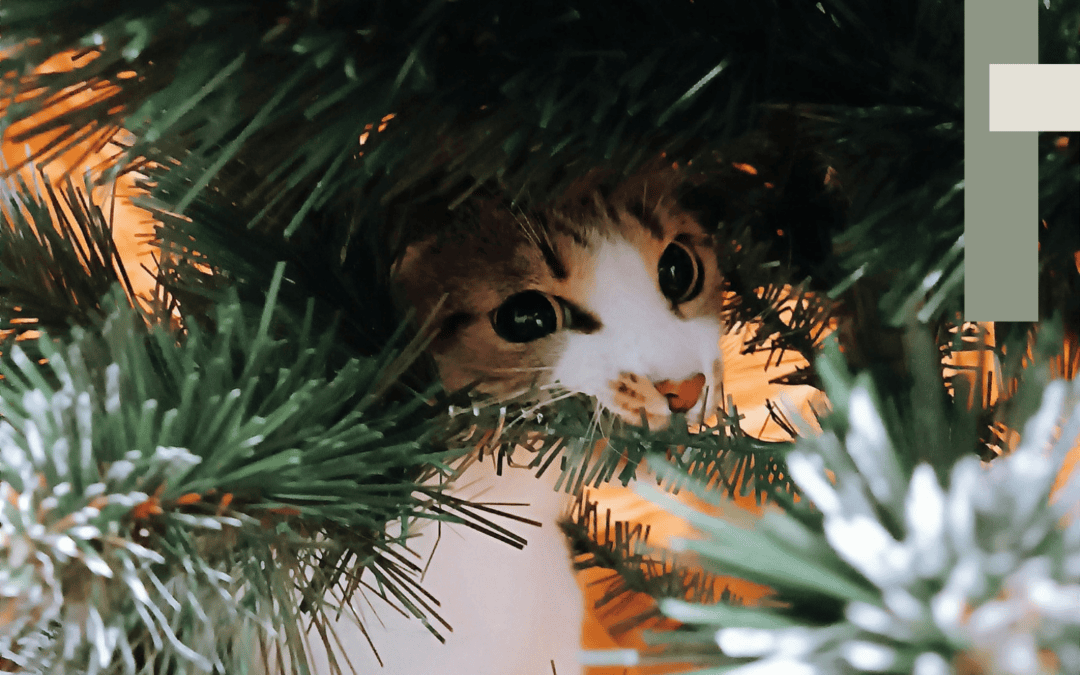
Keeping Your Pets Safe From Common Holiday Hazards
The holidays often mean a little more of everything: more food in the kitchen, more decorations around the house, more visitors at the door, and more excitement than usual. While these traditions can make the season special, they can also introduce a few unexpected risks for dogs and cats.
Many holiday hazards aren’t things you’d normally think twice about. A plate of leftovers left on the counter, a ribbon from a gift, or a guest’s medication tucked inside an open bag may seem harmless. But for a curious pet, these everyday items can sometimes lead to a serious problem.
The good news? A few simple precautions can help you enjoy the season while keeping your pets safe. Here’s what to watch for and what to do if something goes wrong.
- Keep Holiday Foods Out of Reach
Holiday meals are full of tempting smells, and pets don’t know which foods are safe to sample. Even well-meaning guests can accidentally share something that isn’t good for them.
Some of the most important foods to keep away from pets include:
- Chocolate and caffeine: These can cause toxic reactions, including vomiting, abnormal heart rhythms, tremors, and seizures. Dark chocolate and baking chocolate are particularly concerning.
- Grapes and raisins: These can cause kidney injury in dogs, and the amount that may cause a reaction is unpredictable.
- Xylitol: This sweetener, sometimes found in sugar-free gum, candy, and baked goods, can cause dangerously low blood sugar and potentially liver damage in dogs.
- Onions and garlic: Common ingredients in stuffing, sauces, and other holiday dishes that can damage red blood cells.
- Alcohol: Even relatively small amounts can cause serious illness in pets.
- Rich, fatty foods: Gravy, buttery sides, fatty meat scraps, and turkey skin can upset your pet’s digestive system and may contribute to pancreatitis, a painful inflammation of the pancreas.
- Cooked bones: Turkey and chicken bones can splinter or become lodged in the digestive tract, causing choking, blockages, or internal injuries.
What about sharing a little turkey? Plain, fully cooked turkey meat without skin, seasoning, or bones may be suitable for some pets in small amounts. However, keeping your pet’s regular diet consistent is often the simplest choice.
A helpful tip: Ask guests not to feed pets from the table and put leftovers away promptly. Secure the trash, too. Once the meal is over, discarded bones, food scraps, and dessert wrappers can be just as tempting as the meal itself.
- Be Careful with Holiday Decorations
Shiny, dangling, and unfamiliar objects can be especially interesting to cats and dogs. Unfortunately, some decorations can cause injuries or digestive problems if chewed or swallowed.
Keep an eye on:
- Tinsel, ribbon, and string: These can become lodged in the digestive tract. Cats are particularly attracted to string-like materials and swallowing them can lead to serious intestinal injuries.
- Glass ornaments: Broken pieces can cut paws or injure the mouth and digestive tract.
- Electrical cords and light strands: Chewing a plugged-in cord can cause electrical burns or shock.
- Batteries: Chewed or swallowed batteries can cause serious burns or other injuries.
- Candles: Wagging tails, curious noses, and playful paws can knock over a candle or get too close to an open flame.
- Tree water: Some additives used in tree water may be harmful if swallowed, and stagnant water may contain bacteria.
Choose sturdy decorations, when possible, secure your tree, cover electrical cords, and keep tempting items out of reach. If your pet likes to investigate everything, consider blocking access to decorated rooms when you’re away or unable to supervise.
- Know Which Holiday Plants Can Be Harmful
Seasonal plants and floral arrangements add color to the home, but some can be dangerous for pets.
A few to know about include:
Lilies: Certain lilies, including Easter lilies, tiger lilies, and Asiatic lilies, are extremely toxic to cats. Even small exposures to parts of these plants or their pollen can cause severe kidney injury. If you have a cat, the safest choice is to avoid bringing these lilies into your home altogether.
Holly and mistletoe: Depending on the plant and the amount eaten, these can cause gastrointestinal upset and, in some cases, more serious effects.
Poinsettias: These are generally less dangerous than their reputation suggests, but their sap can irritate the mouth and stomach and cause vomiting or drooling.
Because plant toxicity varies, don’t assume a plant is safe based on its appearance or how commonly it’s used as a decoration. If you’re unsure about a bouquet or seasonal plant, keep it somewhere your pet cannot access or choose an artificial alternative.
- Give Guests and Pets a Little Extra Space
A busy house can be exciting for some pets and overwhelming for others. Doorbells, unfamiliar people, children, music, and changes to the usual routine can all add stress.
Even a friendly pet may become anxious when the house feels crowded. A nervous pet may hide, bark, growl, or try to escape.
Before guests arrive, think about what will help your pet feel comfortable.
- Set up a quiet room with familiar bedding, fresh water, and a favorite toy.
- Let your pet choose whether to interact with visitors rather than forcing greetings.
- Remind guests, especially children, to give pets space while they’re eating or resting.
- Make sure your pet has identification and that their microchip information is current.
- Watch exterior doors when guests arrive and leave to prevent accidental escapes.
Some pets enjoy being part of the festivities. Others would rather relax somewhere peaceful. Both are perfectly fine.
The goal is to give your pet a safe option and allow them to participate at their own comfort level.
- Keep Medications and Personal Items Secure
Holiday visitors often bring purses, backpacks, suitcases, and medications into your home. A bag left on the floor or an open suitcase can give a curious pet access to things they wouldn’t normally encounter.
Human medications can be especially dangerous to pets, even when only one or two pills are involved. Certain over-the-counter pain relievers, prescription medications, and supplements can cause serious harm.
Ask guests to store medications in closed cabinets or other secure locations, rather than leaving them in bags within reach. Keep your own medications secured, too, and avoid giving your pet any medication unless your veterinarian has specifically instructed you to do so.
Also pay attention to small items such as candy wrappers, sugar-free gum, batteries, and food packaging. Swallowing these items can cause poisoning, choking, or intestinal obstruction.
- Don’t Forget About Cold Weather and Outdoor Safety
Even in South Carolina, winter weather can bring chilly temperatures, freezing conditions, and occasional ice.
Pets that spend time outdoors need access to appropriate shelter and should not be left outside for extended periods in cold weather. Puppies, senior pets, small dogs, and pets with certain medical conditions may be more sensitive to the cold.
A few additional precautions can help:
- Wipe your pet’s paws after walks to remove road salt, ice-melting products, and other residues they might lick off.
- Keep antifreeze and other automotive chemicals securely stored. Some contain ethylene glycol, which can be fatal if ingested.
- Supervise outdoor time, particularly in unfamiliar surroundings or when guests are coming and going.
- Use a leash or secure fencing to help prevent escapes during gatherings and travel.
If you use ice-melting products around your home, choose pet-conscious options when possible, and still prevent pets from licking or eating the material.
- Know What to Do if Your Pet Gets Into Something Dangerous
Even with careful planning, accidents happen. A pet may snatch a piece of chocolate, chew a decoration, or get into a bag before anyone notices.
If you suspect your pet has swallowed something toxic or dangerous, contact your veterinarian or an emergency veterinary hospital promptly, even if your pet seems fine. Some toxins can cause serious effects before obvious symptoms develop.
If you know what your pet ate, keep the packaging or take a photo of the ingredient list. Try to estimate how much was swallowed and when it happened. This information can help the veterinary team determine the next steps.
Do not try to make your pet vomit or give home remedies unless a veterinary professional specifically instructs you to do so. Some substances can cause additional damage if vomited, and certain treatments may be unsafe.
Seek urgent veterinary attention for concerning signs such as difficulty breathing, collapse, seizures, repeated vomiting, severe weakness, or sudden changes in behavior.
In the United States, you can also contact these animal poison control services for guidance:
- ASPCA Animal Poison Control Center: 888-426-4435
- Pet Poison Helpline: 855-764-7661
Fees may apply. If your pet is showing severe symptoms, don’t delay emergency veterinary care while seeking advice by phone.
A Little Preparation Goes a Long Way
Keeping pets safe during the holidays doesn’t mean you have to change every tradition or keep your pet away from the fun. It simply means knowing which everyday items deserve extra attention when the house gets busier than usual.
Put food and medications away, choose decorations carefully, give pets a quiet place to retreat, and make sure everyone in the household knows the basic safety rules.
Most importantly, remember that you don’t have to wait for an emergency to ask a question. If you’re unsure whether a food, plant, decoration, or other item is safe for your pet, a veterinarian can help you understand the risk and decide what to do next.
At Mauldin Station Vet in Mauldin, South Carolina, we believe clear information helps pet owners make confident decisions. If something about your pet’s holiday safety has you wondering, reach out to your veterinary team for guidance.
Here’s to a holiday season filled with good company, happy memories, and safe, comfortable pets.
Lorem ipsum dolor sit amet, consectetur adipiscing elit. Morbi volutpat diam dui, sit amet faucibus metus interdum ut. Vivamus malesuada lorem nec nunc viverra, nec commodo orci tincidunt. In id mattis massa, ac sagittis eros. Fusce molestie mollis ligula, non efficitur leo scelerisque et. Vestibulum quis egestas sem, sed elementum nulla. Phasellus in fringilla augue. Lorem ipsum dolor sit amet, consectetur adipiscing elit. Vivamus pretium dui id velit euismod pulvinar.
Heading 2 | Topic
Lorem ipsum dolor sit amet, consectetur adipiscing elit. Morbi volutpat diam dui, sit amet faucibus metus interdum ut. Vivamus malesuada lorem nec nunc viverra, nec commodo orci tincidunt. In id mattis massa, ac sagittis eros. Fusce molestie mollis ligula, non efficitur leo scelerisque et. Vestibulum quis egestas sem, sed elementum nulla. Phasellus in fringilla augue. Lorem ipsum dolor sit amet, consectetur adipiscing elit. Vivamus pretium dui id velit euismod pulvinar.
Heading 3 | Subtopic
Lorem ipsum dolor sit amet, consectetur adipiscing elit. Morbi volutpat diam dui, sit amet faucibus metus interdum ut. Vivamus malesuada lorem nec nunc viverra, nec commodo orci tincidunt. In id mattis massa, ac sagittis eros. Fusce molestie mollis ligula, non efficitur leo scelerisque et. Vestibulum quis egestas sem, sed elementum nulla. Phasellus in fringilla augue. Lorem ipsum dolor sit amet, consectetur adipiscing elit. Vivamus pretium dui id velit euismod pulvinar. Call to action.